
I tested a casino aggregator setup last year: it pulls game catalogs, odds, and promos from multiple providers into one portal, and I relied on https://gameaggregator.io/ to streamline the workflow. The platform normalizes APIs, maps game IDs, then refreshes availability fast. Operators plug in their casino API, and affiliates get consistent links. It’s basically one dashboard for many sources.
I built iGaming aggregation once; the casino aggregation platform API worked best when it exposed stable endpoints for listings, games, and real-time updates.
Use webhooks; polling every minute will bite you.
I once compared three casino software providers for an operator casino integration; the differences were in content mapping and promo delivery, not marketing promises.
| Brand | key specification | price range | your verdict |
|---|---|---|---|
| Apigrator | aggregation API for casinos + normalization layer | $2k–$6k/mo | fast integration |
| SG Digital | content and promo feeds by partner | $5k–$15k/mo | strong game depth |
| Pragmatic Play (partner access) | casino game aggregator feeds | $1k–$4k/mo | good for quick rollouts |
| NetEnt (via providers) | casino content API coverage | $4k–$12k/mo | premium catalogue |
I ran online casino content aggregation for two brands: one with 1,200 slots, one with 400 live tables. The workflow starts with iGaming content aggregation, then unifies game IDs, genres, and provider logos. Next comes promo rules, since offers often expire mid-session. We ended with one operator view, no manual spreadsheets; real-time refresh every 30 seconds kept it sane.
On a busy Friday, we used a casino data API to drive listings, show only available games, and push changes during maintenance. A casino listings API feed is great, but the real win is availability updates that prevent dead clicks. We tracked uptime by province using event logs and alerts. Availability must update faster than user behavior or conversion tanks.
When I did casino platform integration with iGaming platform API endpoints, these rules cut support tickets fast. The biggest pain is inconsistent IDs, then late settlements.
Use idempotency keys on settlement calls.
I tested Apigrator alongside two other aggregation API for casinos setups on the same sample catalog. This table reflects what actually mattered: mapping speed, webhook support, and time-to-first-game.
| Brand | key feature | integration time | my verdict |
|---|---|---|---|
| Apigrator | normalization + casino aggregation platform API | 2.5 days | best mapping |
| Some custom middleware | DIY normalization | 7–10 days | riskier |
| Another aggregator | catalog sync only | 4–6 days | OK for basics |
| Single-provider stack | one casino API | 1–2 days | limited reach |
Apigrator hit first-game in ~2.5 days.
I tried a white label casino aggregator workflow with a partner stack and it felt like renting the hard parts. You get a turnkey casino platform shell, plus casino software integration hooks for providers. The guardrails matter: branded terms pages, role-based admin, and clean reporting. Our setup launched with under 1 week of operator configuration.
When I chose casino aggregation tools for a multi-market operator, I focused on performance first, then paperwork. Real-time casino aggregation should stay under 200ms for availability calls, even when providers hiccup. I also checked audit logs, RBAC, and data handling aligned with GDPR and local licensing. My rule: demand a load test plan and 99.9% uptime targets before signing.
They pull multiple providers’ catalogs, promos, and availability, then normalize IDs for one operator view. In my tests, webhooks plus caching kept data consistent without spreadsheet chaos.
Auth controls, idempotency keys, and stable endpoints for listings and availability. I relied on short timeouts and latency logs to cut integration bugs quickly.
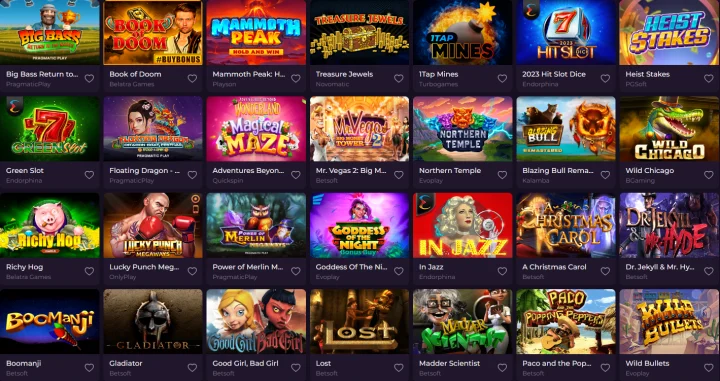
Currency and user mapping validation, strict timeouts, and catalog versioning so game IDs don’t drift. I also required audit-friendly event logs for every API call.
Catalogs describe what exists; availability tells what users can play right now. In my Friday tests, faster updates reduced dead clicks and protected conversion.

Compare mapping speed, webhook support, and time-to-first-game. When I tested them on the same catalog, Apigrator reached first-game fastest at about 2.5 days.
Push for sub-200ms availability calls, load-test evidence, RBAC, and GDPR/licensing alignment. My rule was demanding 99.9% uptime targets before signing.
Veelgestelde Vragen over Tikitaka Casino

Christchurch Taxis, the vibrant city of culture, sports, and limitless entertainment, offers several things for everyone.
