
Unlimited Prepaid eSIM Plans That Put You in Control
Are you tired of hunting for physical SIM cards every time you travel? A prepaid eSIM is a digital SIM that you purchase and activate online before your trip, allowing you to connect to a local network as soon as you land. It works by downloading a carrier profile directly to your compatible phone, eliminating the need to swap out your home SIM. The benefit is instant connectivity without roaming fees, and you can manage everything from a simple app—loading data, choosing plans, or topping up as needed.
You’re boarding a flight to Lisbon, realizing your plastic SIM tray is locked by your home carrier, and you can’t swap cards. A prepaid eSIM, however, lives digitally in your phone’s chip, activated in minutes by scanning a QR code from your email. No fumbling with tiny cards, no risk of losing a SIM slot. For prepaid eSIM, the key difference is instant remote provisioning — you buy, install, and start using data before you even leave the terminal. Q: What Sets a Digital SIM Apart from Traditional Plastic Cards for Singapore eSIM prepaid? A: With plastic, you must physically insert a carrier-specific card; with a digital SIM, you download a profile straight to your device, keeping your primary line active for calls while the eSIM uses a local data plan.

Understanding the core technology behind embedded SIMs reveals a fundamental shift from physical hardware to software-driven connectivity. An eSIM is a tiny, soldered chip that stores multiple operator profiles, which you can remotely download and activate. This eliminates the need to swap plastic cards when switching prepaid plans. Instead, a simple QR code or app triggers a secure over-the-air provisioning process, writing your credentials directly to the chip. Embedded SIM remote provisioning relies on a standardized global platform, ensuring any compatible device can adopt a prepaid eSIM instantly. This technology effectively decouples your mobile subscription from the physical device, offering unprecedented flexibility.
| Aspect | Physical SIM | Embedded SIM (eSIM) |
|---|---|---|
| Form Factor | Removable plastic card | Soldered chip, no removal |
| Profile Change | Swap the card | Download new profile remotely |
| Activation Method | Insert physical card | QR code or app-based provisioning |

A digital SIM eliminates the physical wait and store visit required for a traditional plastic card. Activation shifts from inserting a card to scanning a QR code or entering details into the phone’s settings, enabling near-instant setup. This changes portability: you can switch prepaid plans without needing a new physical card delivered, merely updating a profile. Traditional cards must be physically relocated between devices, while a digital SIM can be transferred via an app login, provided the device supports it. This speed and ease make immediate plan switching a practical advantage over the inflexible, physical swap of plastic.
Travelers and remote workers are switching to a prepaid eSIM because it eliminates the need to hunt for local SIM cards upon arrival. A digital SIM allows them to activate a data plan before departure, ensuring instant connectivity without swapping physical cards. This is critical for maintaining workflow across borders or navigating unfamiliar airports. They avoid roaming fees by purchasing affordable local data packages through an app, and can manage multiple profiles for different countries simultaneously. The flexibility to top up or change plans remotely removes the hassle of finding a store or charging credit.
Travelers and remote workers switch to a prepaid eSIM for instant activation before travel, seamless multi-country connectivity, and the convenience of managing all data plans from a single app without physical SIM swaps.
Selecting the best preloaded connectivity for your prepaid eSIM hinges on matching the data package to your specific destination and usage habits. Prioritize providers that offer a local IP address for stable, low-latency access rather than roaming profiles, which can throttle speeds. For short trips, a 1–3 GB plan suffices for navigation and messaging, but heavy streamers should secure an unlimited but fairness-capped package to avoid overage charges. Always verify carrier compatibility in your target country—regional plans like Asia-Pacific often outperform global ones in speed.
A preloaded eSIM with direct local network access always outperforms a generic global plan in real-world connectivity.
Finally, choose a provider with a straightforward top-up system, allowing you to extend data mid-trip without reinstalling a new eSIM.

When hopping between countries, you can’t assume one prepaid eSIM works perfectly everywhere. Check regional coverage maps before buying—some plans promise “Europe” but skip rural spots in Eastern Europe or forget certain islands. Look for plans that list specific local network partners per country, because an eSIM riding on a weak foreign carrier can leave you stuck without data. Before your trip, zoom into the map for each destination to spot dead zones near where you’ll actually be.
When choosing a prepaid eSIM, your decision hinges on usage patterns. Data allowances offer a fixed amount of high-speed data at a set price, ideal for predictable needs like streaming or navigation. Pay-as-you-go models, conversely, charge only for actual consumption, granting flexibility for light or irregular use but often at a higher per-gigabyte rate. For travelers, prepaid eSIM data allowances typically provide superior value and budget certainty, eliminating surprise fees. If your connectivity is sporadic or limited to messaging, pay-as-you-go avoids paying for unused bulk data. Align your choice with your specific consumption habits to avoid waste or unexpected costs.
Before purchasing a prepaid eSIM, verify your smartphone’s compatibility by checking for an unlocked SIM slot and eSIM support in your device’s settings under “Cellular” or “Mobile Network.” Most modern flagships from Apple, Samsung, and Google support eSIM, but older or carrier-locked models may not. Device compatibility verification is non-negotiable: use your phone’s IMEI on the eSIM provider’s website to confirm. Even dual-SIM phones can fail to support eSIM if the hardware is region-locked. Q: What if my phone shows no eSIM option? A: It likely lacks eSIM hardware—you’ll need a physical SIM or a newer device.
Setting up a prepaid eSIM without physical media is straightforward. First, buy a prepaid plan from a provider’s app or website—no plastic card needed. You’ll instantly receive a QR code or activation link via email. On your phone, open Settings > Cellular > Add eSIM, then scan the QR code or paste the provided code manually. The eSIM activates within minutes, typically after a quick restart.
Q: What if the QR code fails?
A: Just tap “Enter Details Manually” and type the SM-DP+ address and activation code from your email.
With a prepaid eSIM, activation begins the instant you scan the QR code provided in your confirmation email. This quick action immediately downloads the digital SIM profile to your device, eliminating any need for physical cards. Within minutes, your network connection is live, letting you bypass slow store visits. The entire process is seamless: scan-and-go prepaid eSIM setup ensures you start using data, texts, and calls almost instantly after purchase, turning a single scan into immediate connectivity.
After installing your prepaid eSIM, managing dual SIM functions lets you juggle two lines on one device. You can designate the eSIM for data while keeping your physical SIM for calls, or vice versa. Managing dual SIM functions on one device often involves labeling each line (e.g., “Work” vs. “Travel”) to avoid confusion. To switch which SIM handles data or calls:
This setup lets you receive calls on your home number while browsing with the eSIM’s local data plan.
When a prepaid eSIM fails to activate, first ensure your device is connected to Wi-Fi, as the profile download requires a stable internet connection. If the QR code won’t scan, manually enter the SM-DP+ address and activation code provided in your confirmation email. A “Profile Not Installed” error often means insufficient storage—delete unused eSIMs in your device’s cellular settings. For persistent failures, verify network compatibility by confirming your phone is carrier-unlocked and supports your chosen prepaid eSIM’s bands. If the profile downloads but shows no service, toggle airplane mode for 30 seconds to force a network refresh, then restart your device.
When you land in Istanbul, your prepaid eSIM tab can be a cost comparison across global providers between $2.99 for a 1GB short-term local Airalo package and $12 for a global Holafly plan offering unlimited data for a week. A traveler hopping to Seoul might find that Ubigi undercuts both at $1.50 per GB for Japan-only, while a three-country Europe trip via a Truphone regional eSIM costs $8 for 3GB—less than buying separate national plans.
One frequent flier learned that a global plan’s “unlimited” always carries a daily speed cap, making a cheaper, higher-speed local eSIM more cost-effective for heavy use.
The real price emerges only when you cross-check the cost per gigabyte against your actual itinerary and usage pattern, not the flashy headline rate.
When comparing prepaid eSIM costs, the main choice is regional plans versus worldwide roaming packs. A regional plan (like “Europe” or “Asia”) bundles multiple neighboring countries into one affordable data pool, ideal for a multi-country trip. A worldwide roaming pack covers dozens of global destinations but at a higher per-GB cost. For example, a 10GB regional Europe plan might cost $25, while a similar 10GB worldwide pack could be $60. Your real decision hinges on trip geography: if staying within one continent, go regional; if hopping across continents, a worldwide pack simplifies connectivity but costs more.
Regional plans save money for focused travel; worldwide packs offer convenience but at a premium for global roaming.

When comparing prepaid eSIM costs, the real trap is often hidden in fine print. Many providers advertise a low price, then slap on fees for activation, top-up, or data “refueling.” Worse, their Fair Usage Policies exposed can silently throttle your speed after just a few gigabytes, making your “unlimited” plan useless for streaming or maps. To avoid surprises, check these before buying:
Stick to providers that clearly list total cost and usage limits upfront.
When comparing global providers, Top Up Options and Unused Data Rollover directly affect long-term cost effectiveness. Some providers, like Airalo, exclusively offer single-use data packs that expire upon the specified end date with no rollover. Conversely, Nomad and Holafly allow top-ups that extend existing validity, but only certain plans permit unused data to carry forward. A table clarifies these key differences:
| Provider | Top Up Type | Unused Data Rollover Rules |
|---|---|---|
| Airalo | New pack only | No rollover; expires at end date |
| Nomad | Add-on to active pack | Rollover only if top-up purchased before expiry |
| Holafly | Unlimited top-up | No rollover; unused data forfeited |
| Ubigi | Multiple pack stacking | Rollover only within same plan tier |
This variation means budget-conscious travelers should verify whether Top Up Options and Unused Data Rollover align with their usage patterns to avoid wasted data.
When using a prepaid eSIM abroad, your data is shielded by carrier-grade encryption that activates the moment your device connects to a foreign network. Each session is tunneled through secure protocols, isolating your traffic from public Wi-Fi vulnerabilities. A key layer is the automatic firewall that blocks unauthorized access to your eSIM profile, preventing cloning or SIM-swap attacks. Moreover, prepaid eSIMs typically sever all ties to your home carrier’s network once activated, reducing the attack surface to a single, temporary data pipeline.
Your actual phone number and identity remain hidden, making it impossible for local snoopers to link your browsing to your primary account.
These features ensure that even on unfamiliar towers, your payment details and personal messages stay locked behind a disposable, encrypted boundary.
When you use a prepaid eSIM abroad, your connection is locked behind advanced AES-256 encryption, the same robust standard banks rely on. This scrambles your texts and browsing into unreadable code from the moment your eSIM profile activates, so snoopers on public Wi-Fi or foreign networks can’t decipher it. The encryption happens on the chip itself, meaning protections travel with your profile, not your phone’s software.
Q: Does eSIM encryption work differently on every carrier?
A: Nope! Almost all prepaid eSIM networks use the same AES-256 standard, so your data stays tough to crack no matter which plan you pick.
Losing your phone abroad with a prepaid eSIM doesn’t have to mean losing control of your data. Remote wipe capabilities let you trigger a factory reset through your eSIM provider’s app or web portal, instantly erasing stored contacts, photos, and accounts. This works even if the phone is offline, queuing the command to execute the moment it reconnects. For a seamless response, follow a verified remote wipe sequence:
The prepaid eSIM itself becomes unusable afterward, preventing unauthorized access.
Unlike local tourist SIMs that require passport scans and in-store registration, a prepaid eSIM offers complete anonymity. You bypass revealing your home address or official ID at a physical kiosk, which can be leaked. This direct digital purchase gives you unmatched data privacy abroad, as your personal information isn’t stored in a local retailer’s vulnerable database. Additionally, privacy is enhanced because tourist SIMs often share your number with third-party marketers; eSIM provisioning typically lacks this data-harvesting layer, keeping your usage patterns and location history entirely confidential.

Future trends in card-free mobile networks will make prepaid eSIMs far more dynamic. Expect eSIM profiles to switch carriers automatically based on your location or signal strength, eliminating manual downloads. You’ll also see “data pooling” where a single prepaid eSIM can share allowances across your phone, tablet, and laptop without separate plans. Real-time top-ups will become instant via voice commands or AI, and your eSIM could offer short-term “burst” data passes for specific apps like streaming. Ultimately, your device will handle multiple active prepaid eSIMs seamlessly, letting you keep a local plan for home and a travel one, all managed through a single, intuitive interface.
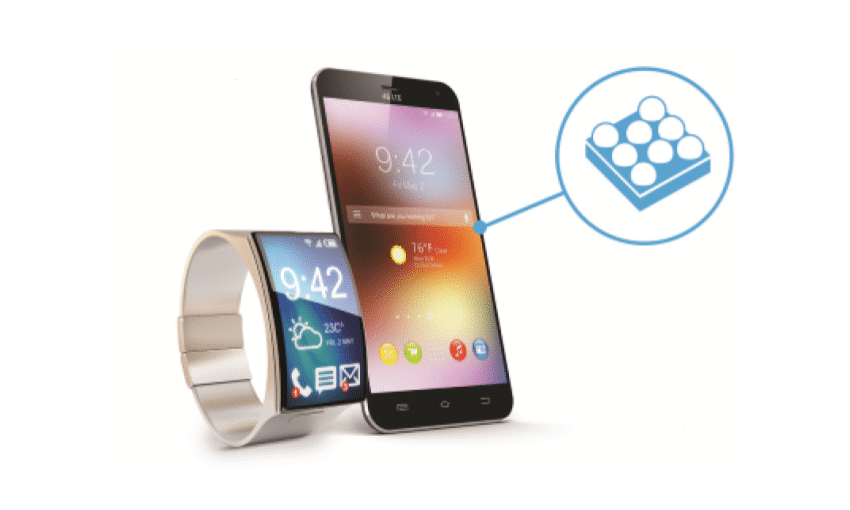
Integration with wearables and IoT devices in prepaid eSIM ecosystems allows users to assign a separate, data-only profile to a smartwatch or tracker without duplicating the phone’s number. This enables independent connectivity for notifications, GPS, and health monitoring, even when the phone is off. For IoT sensors, a prepaid eSIM provides a lightweight, contract-free data connection for asset tracking or environmental logging. Direct eSIM provisioning lets users scan a QR code on the device to activate service instantly, bypassing physical SIM slots.
| Scenario | Practical Benefit with Prepaid eSIM |
|---|---|
| Smartwatch (standalone) | Stream music, receive calls, and track runs using a separate prepaid data plan, leaving phone at home. |
| IoT sensor | Attach a prepaid eSIM to a temperature logger; recharge credit remotely via app without swapping chips. |
In the future of card-free networks, carrier locking policies for prepaid eSIMs are expected to become more transparent, with many providers offering automatic unlocking after a set period or immediate unlocking upon full device payment. Unlocking ease will hinge on simplified digital workflows, such as in-app requests or carrier portal approvals, eliminating physical SIM swaps. Users will likely bypass lengthy calls or store visits, with eSIM profiles remaining intact during the process. However, some budget plans may still impose temporary locks to recoup device subsidies. Carrier locking policies and unlocking ease will thus directly affect how freely consumers switch networks.
Carrier locking policies and unlocking ease for prepaid eSIMs will shift toward faster, more automated digital unlocks, though conditional locks on subsidized devices may persist.
By 2025 and beyond, prepaid eSIMs will pivot to autonomous network switching, where your device seamlessly evaluates real-time signal strength, latency, and cost across multiple carriers without manual intervention. Travelers will preload a single eSIM that activates per-country profiles only upon arrival, eliminating roaming bundles. Top-ups will vanish, replaced by pay-per-usage models that bill in milliseconds via stablecoin wallets. By 2027, eSIMs will integrate embedded AI to predict data needs—auto-purchasing local plans before you cross borders.

Christchurch Taxis, the vibrant city of culture, sports, and limitless entertainment, offers several things for everyone.
